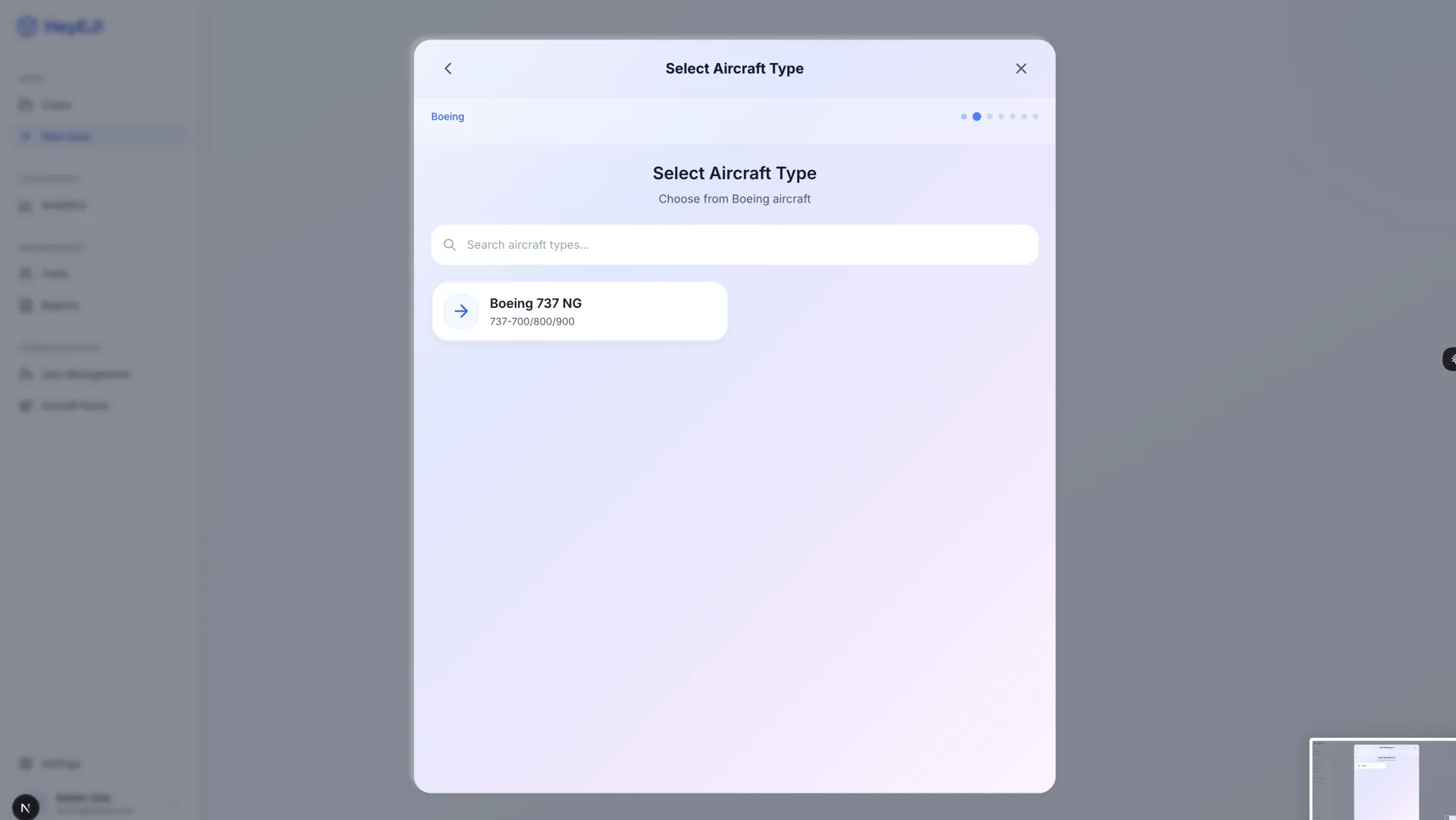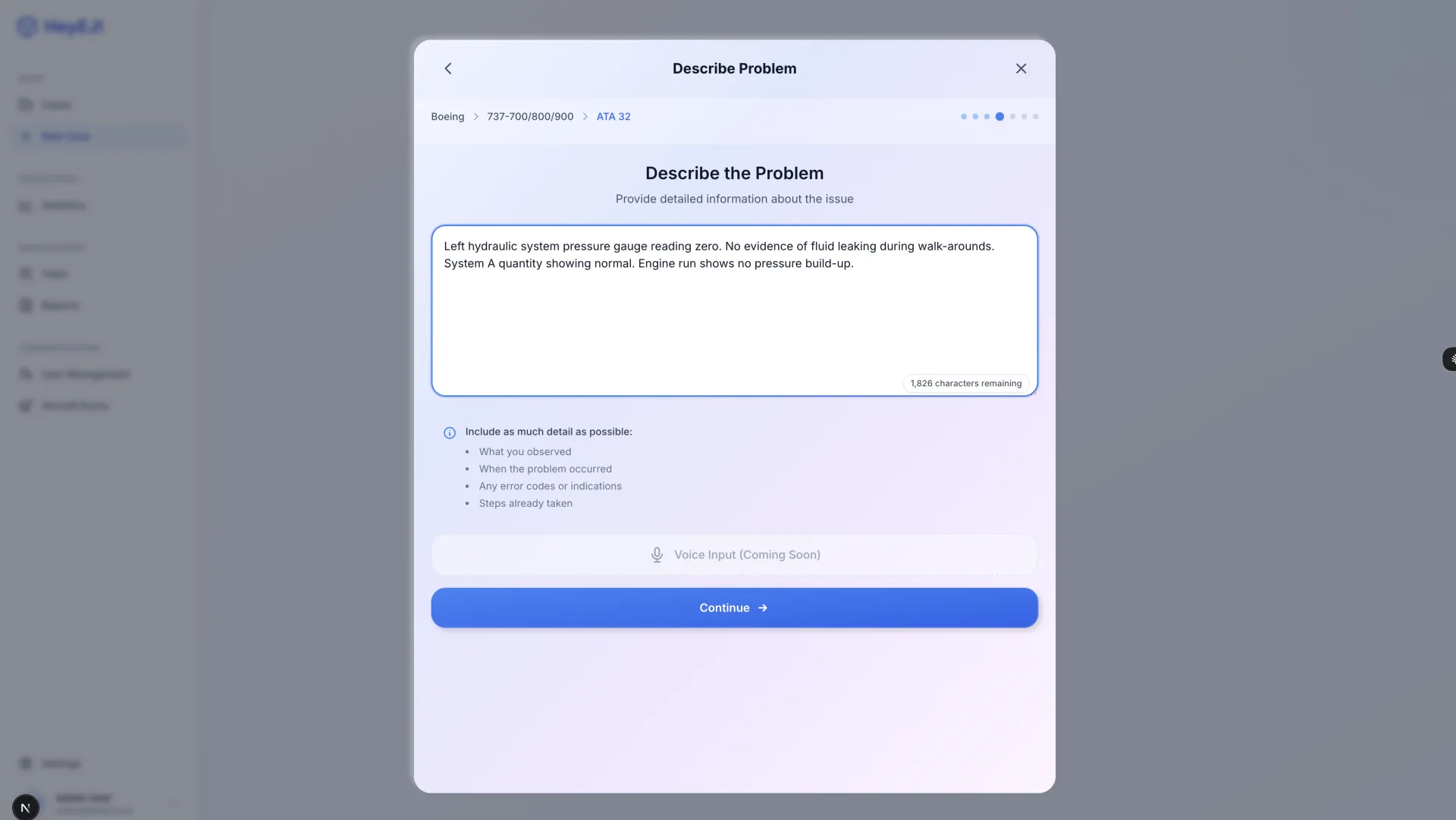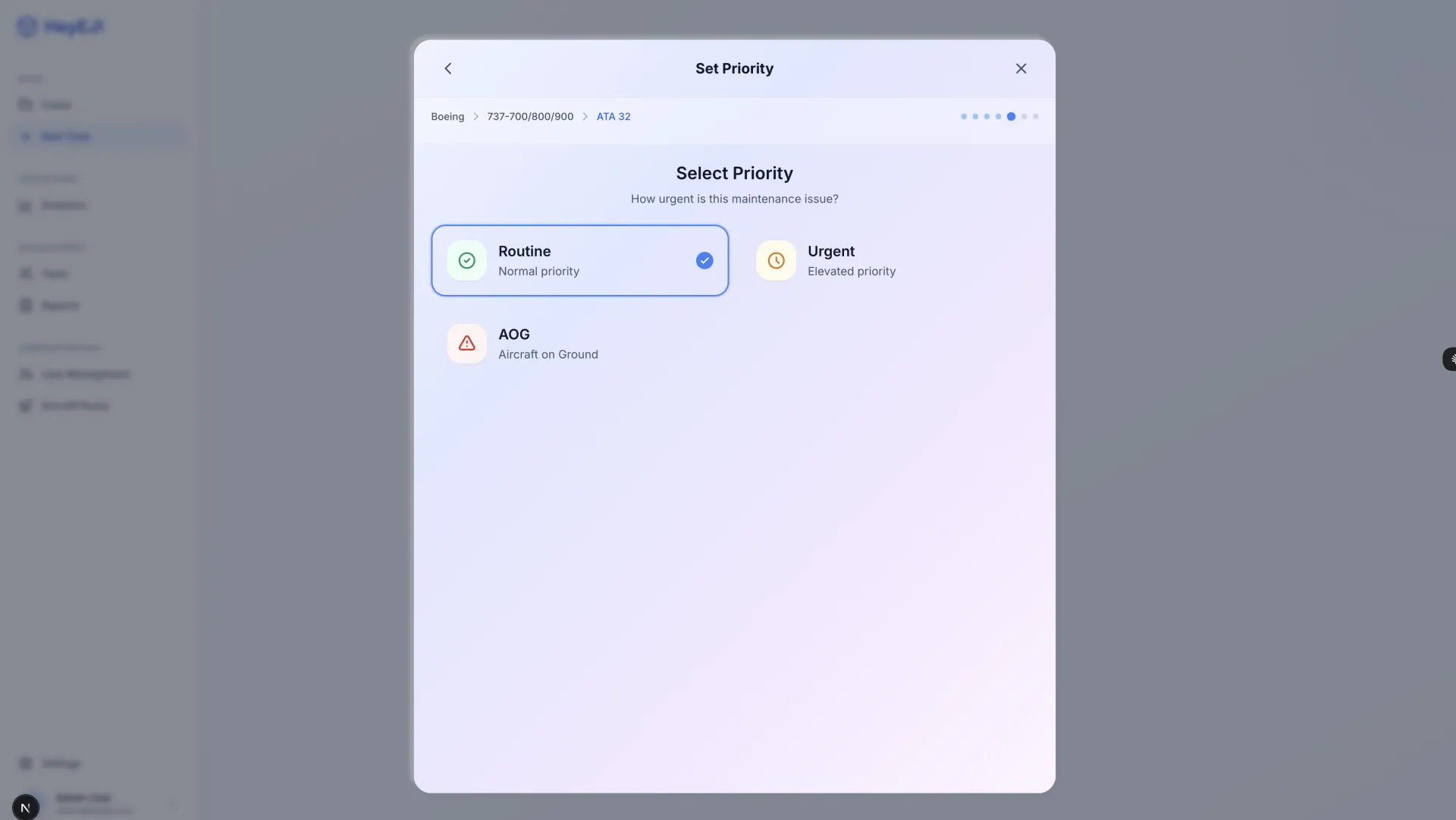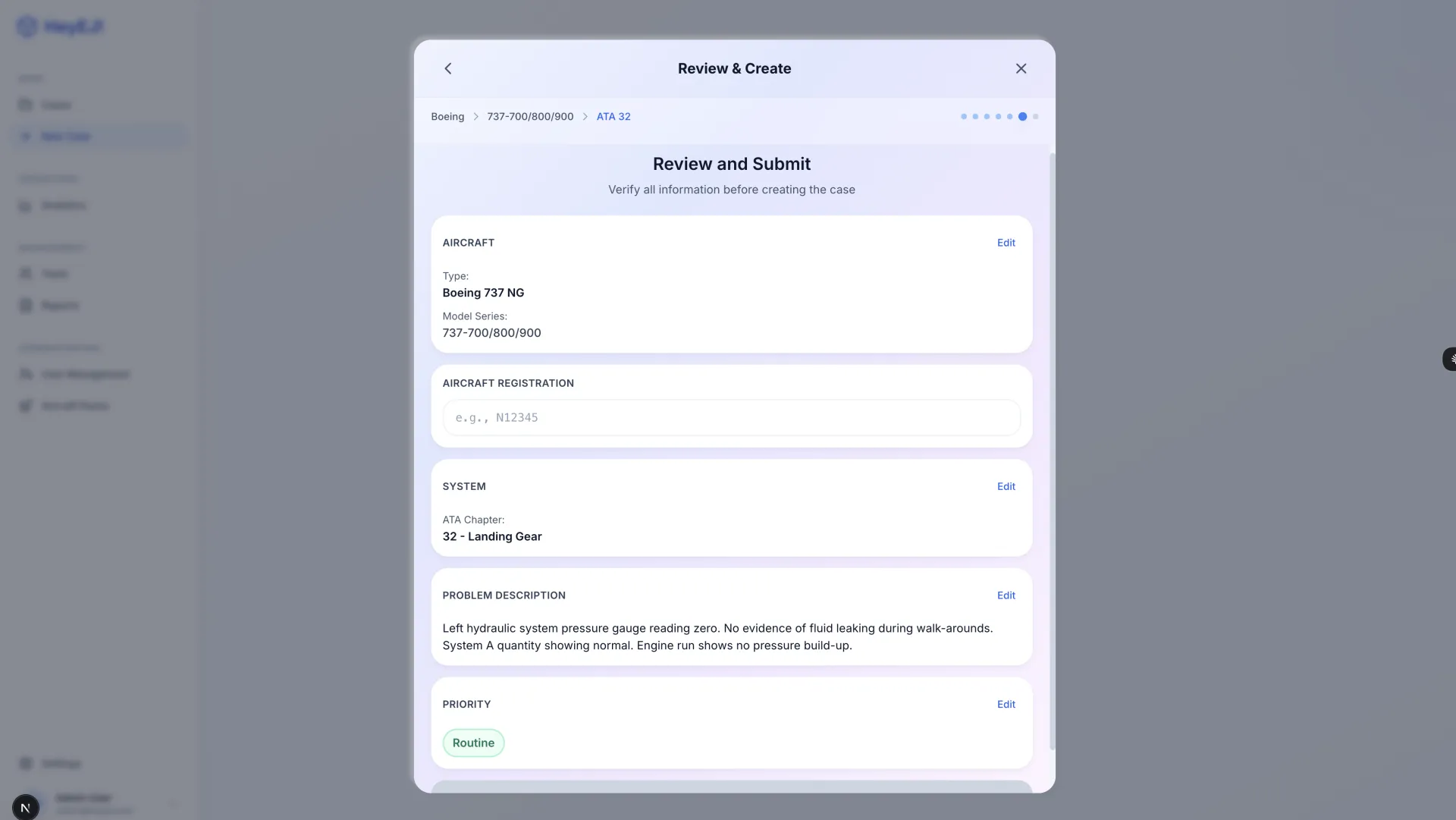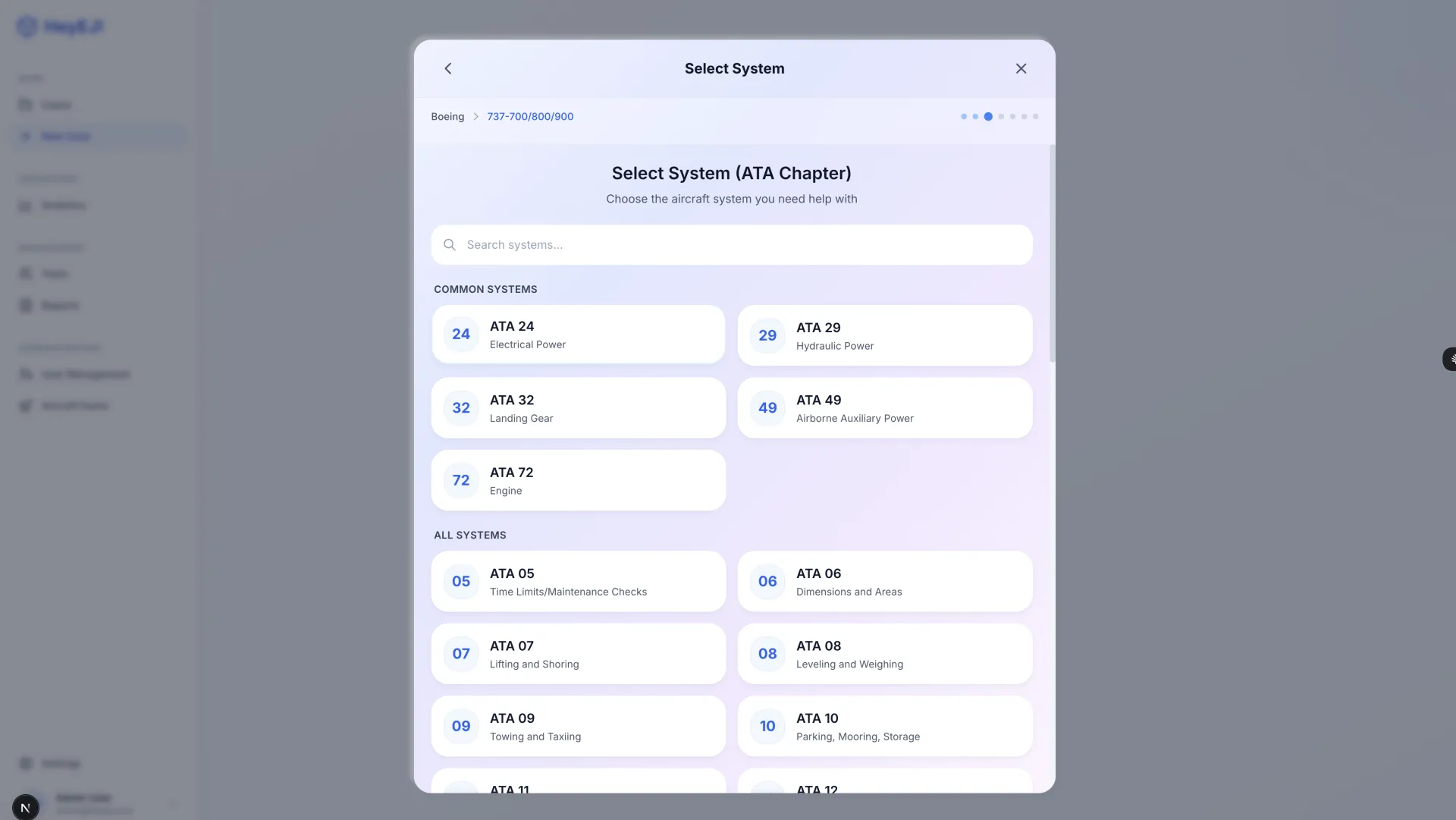
Aircraft maintenance teams spend a significant portion of their time on documentation — not wrenching, but searching. Troubleshooting a complex avionics fault or a recurring mechanical issue means manually combing through thousands of pages of manufacturer maintenance manuals, cross-referencing service bulletins, and leaning on the accumulated knowledge of senior engineers who may not always be available.
The consequences of this process are real: extended aircraft downtime, inconsistent diagnoses across shifts, and a fragile reliance on tribal knowledge that walks out the door when experienced technicians retire. The organization needed a better system — one that could surface the right answer from the right manual quickly, and that could learn from every case it processed.
The requirements set a high bar for AI trustworthiness:
- AI-powered diagnostics grounded in actual manufacturer manuals — not generalized knowledge that could hallucinate part numbers or procedures
- Mandatory citation of source manual sections for every recommendation, so technicians can verify against the original document
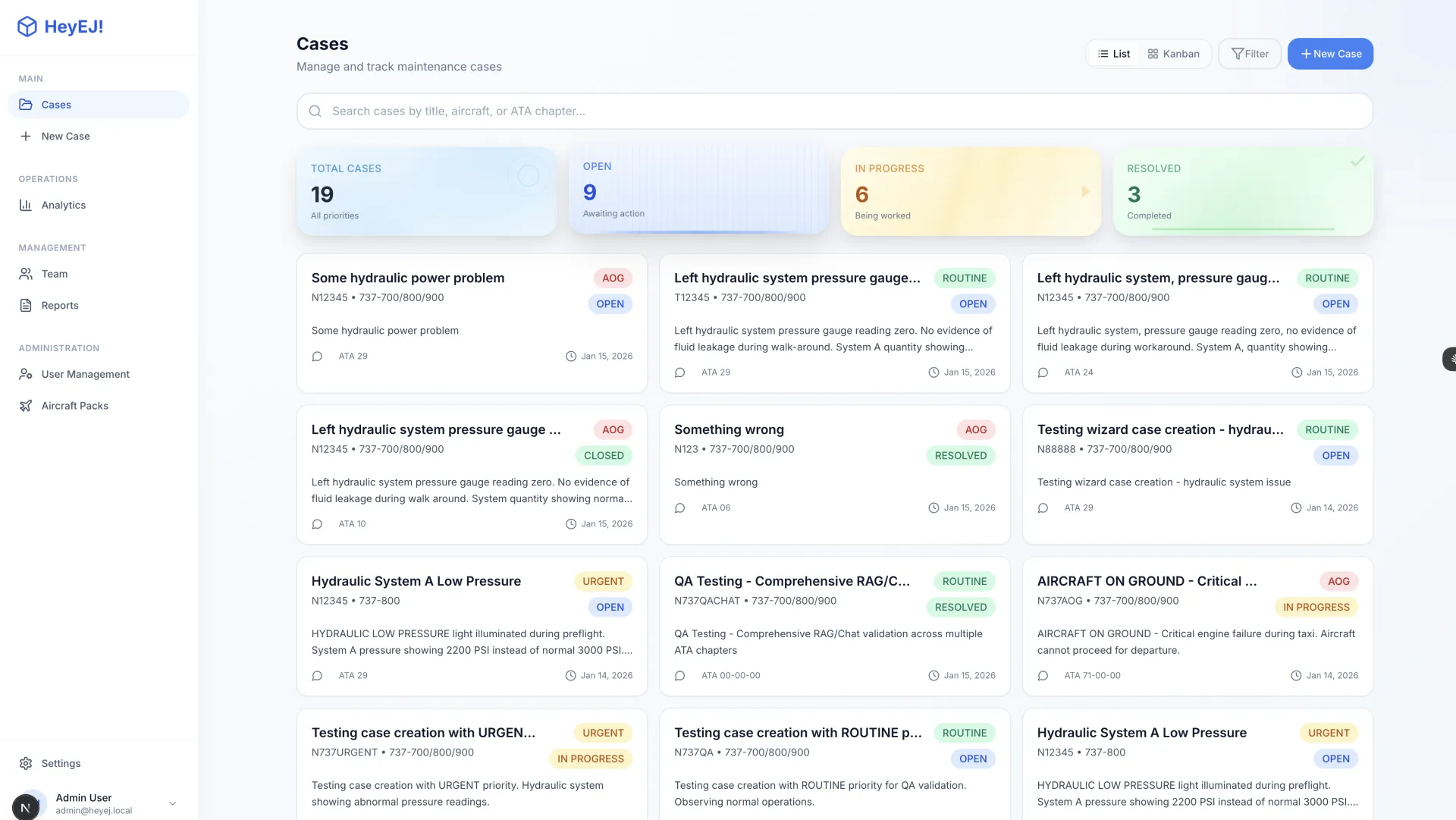
- Case-based troubleshooting history that builds an organizational knowledge base over time
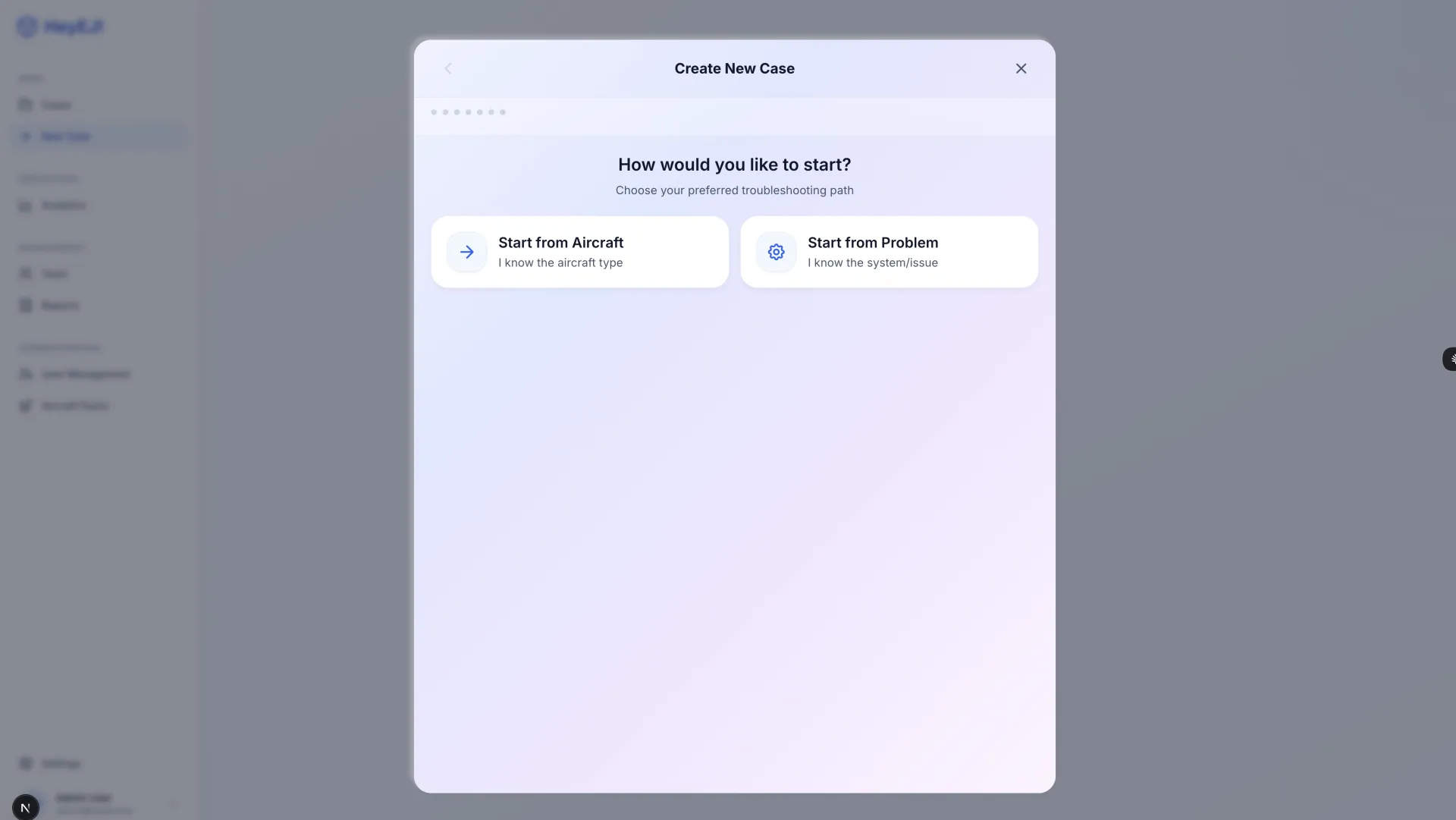
- Multi-turn conversational interface that guides technicians through symptom isolation to diagnosis
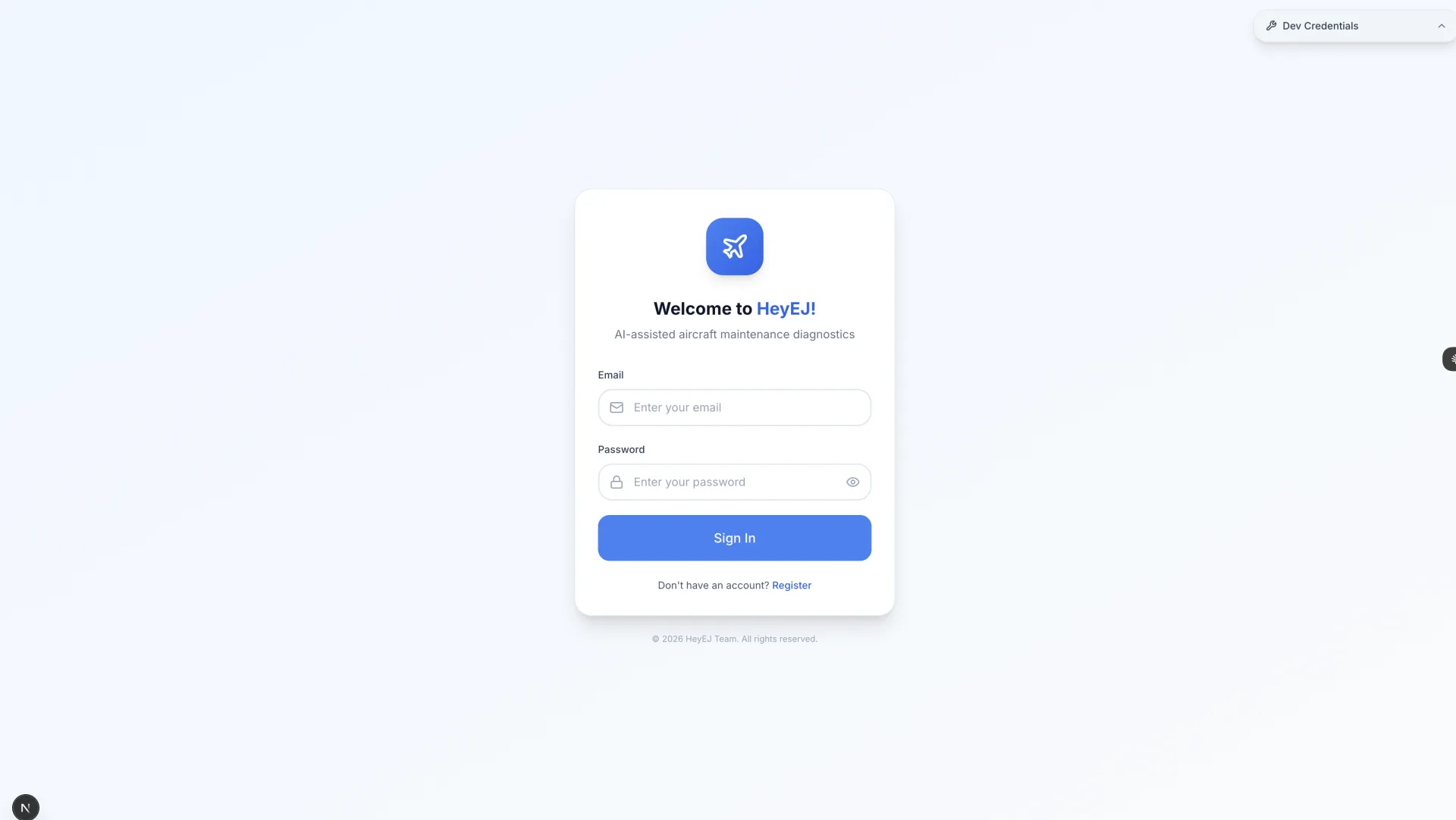
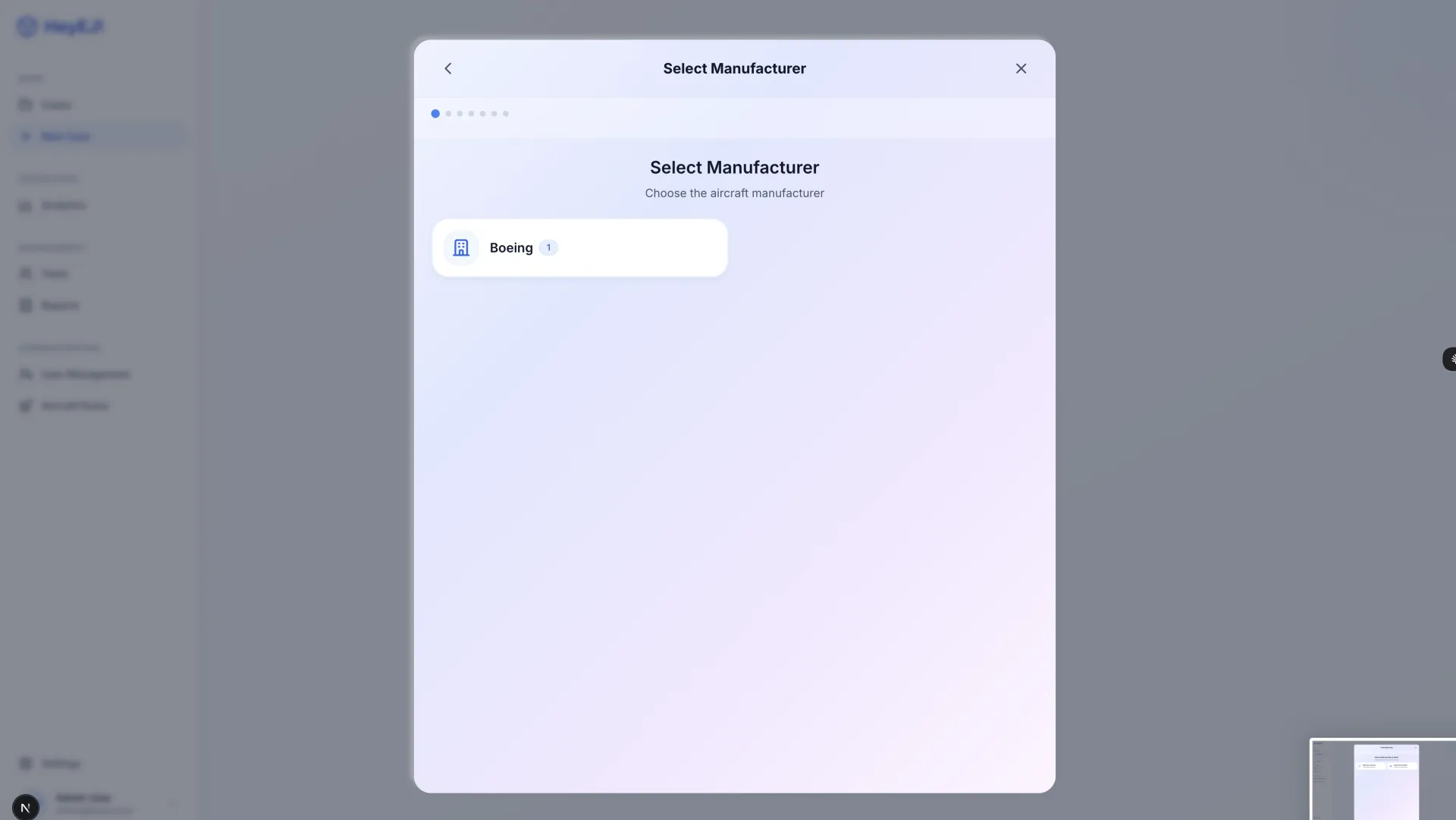
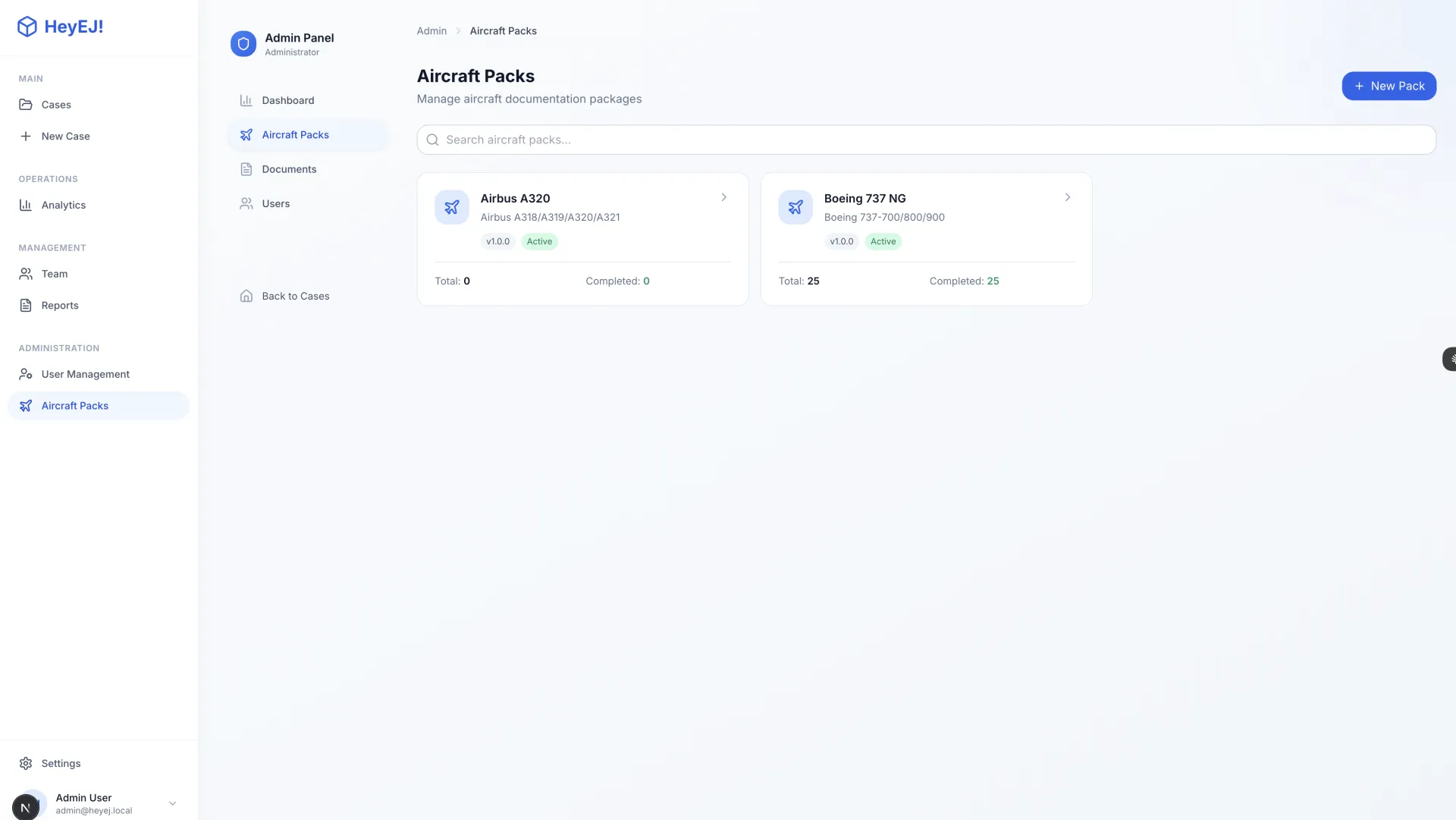
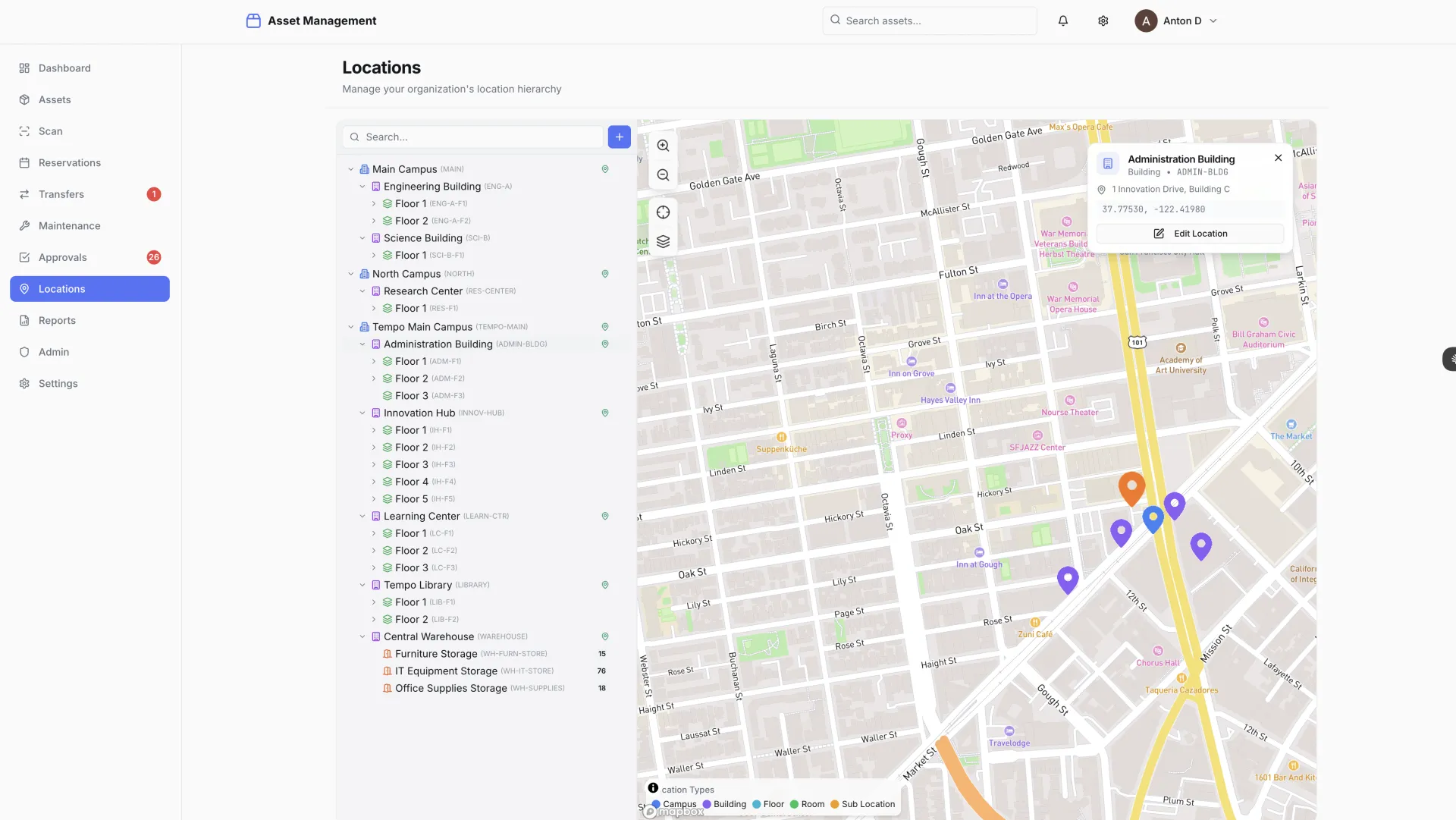
- Multi-tenant architecture for different airlines and MRO organizations, each with isolated data and configuration
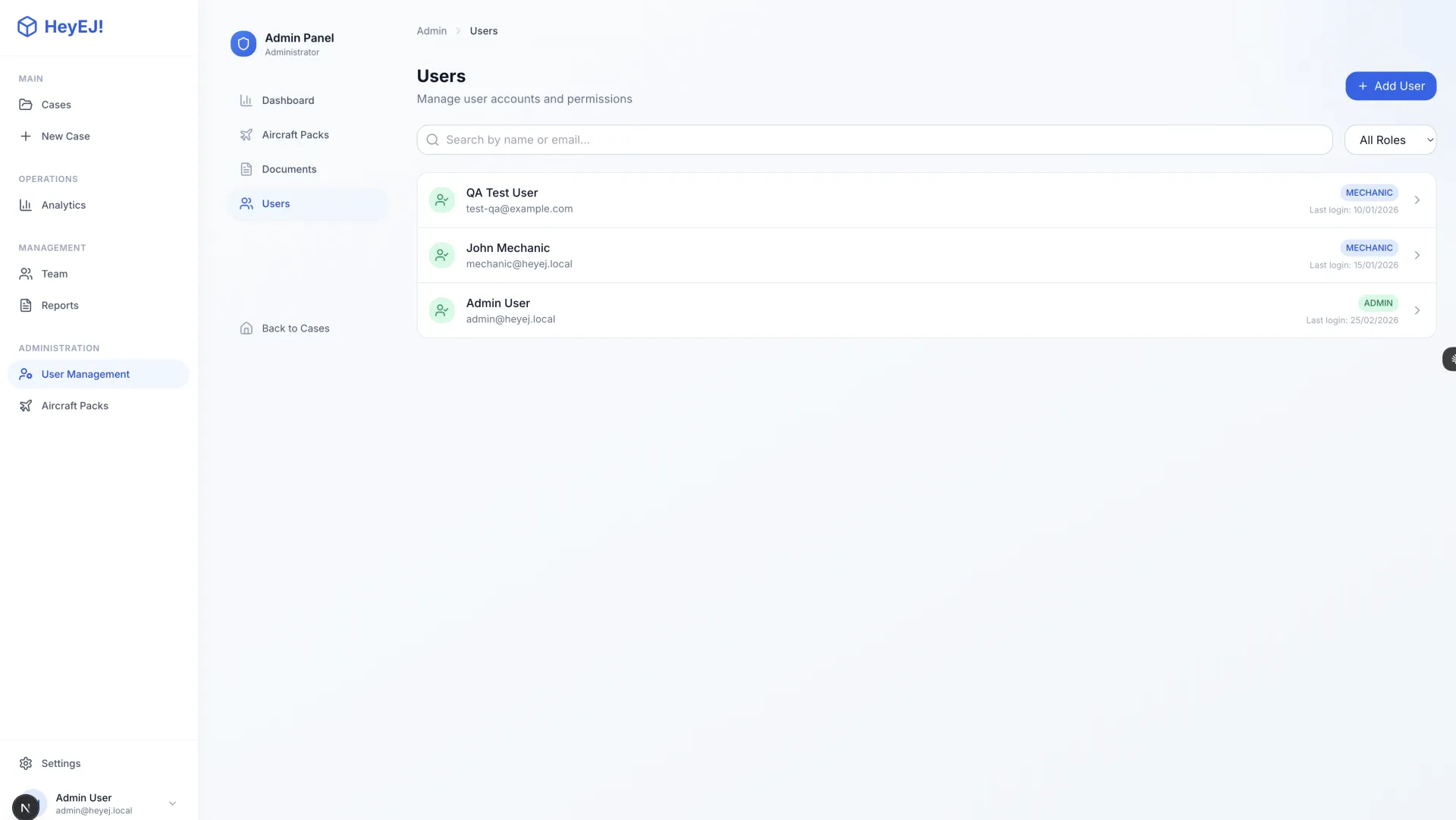
- Role-based access control distinguishing technicians, supervisors, and administrators
The citation requirement was non-negotiable. In a safety-critical industry, an AI that cannot show its work is an AI that cannot be trusted.